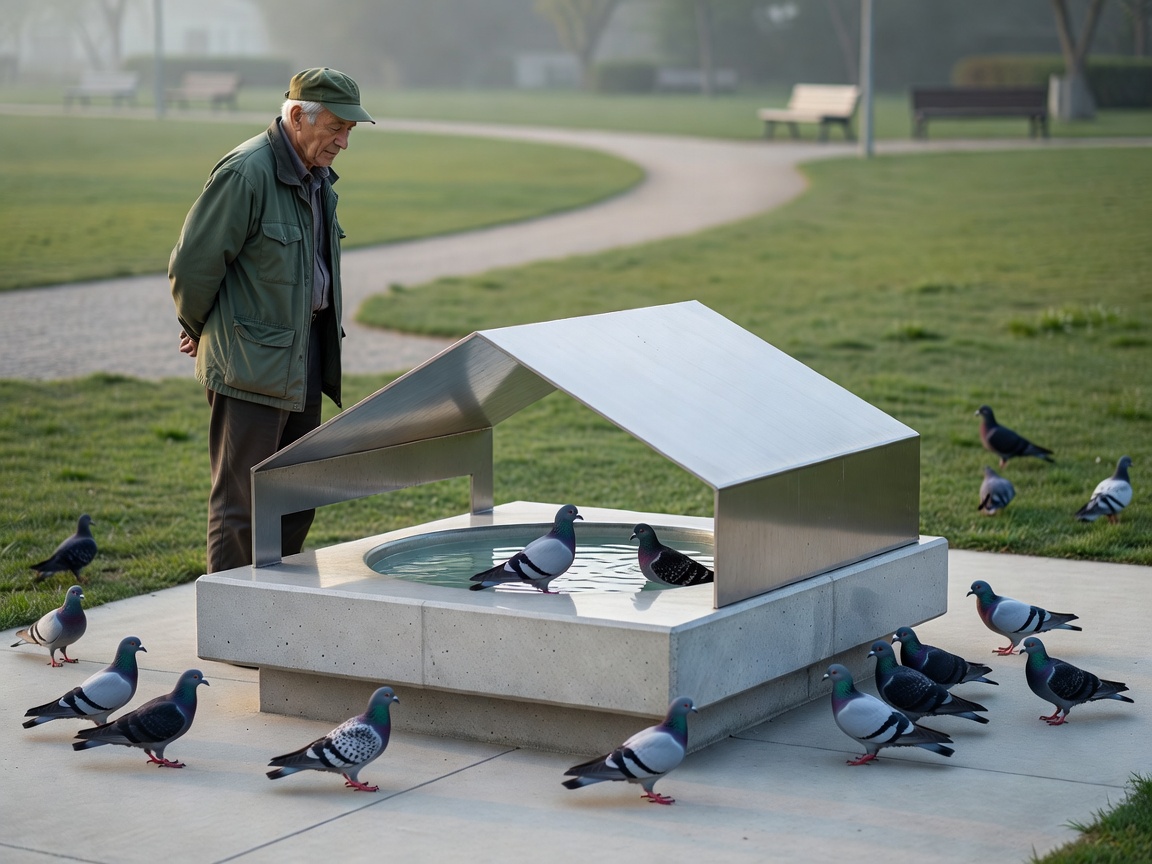
Observe before you interrupt
Pause outside the loft before opening the door. Notice where birds are resting, who approaches food, whether breathing appears comfortable and whether any individual is isolated from its usual group. Entering immediately can cause movement that hides a subtle change. Familiarity with each bird is more valuable than a hurried glance at the flock as a whole.
Check posture, balance, movement, appetite and droppings in context. A change is not a diagnosis, and apparently normal activity does not rule out illness. Record anything unusual and seek veterinary advice when concerned. Breathing difficulty, collapse, significant injury, suspected poisoning or inability to stand calls for urgent professional attention rather than waiting for an online reply.
Make water and feeding dependable
Provide fresh drinking water every day and more often when contaminated or affected by heat. Inspect drinkers for leaks, slime and droppings, and clean them using a bird-appropriate process. Keep them out of the fall line beneath perches. A large reservoir is not a substitute for inspection; a blocked outlet can leave birds without usable water even when the container looks full.
Use a balanced feeding plan appropriate to the birds' age, health and breeding status, developed with knowledgeable veterinary input. Bread and household scraps are not a complete diet. Store feed dry and protected from rodents, check for spoilage, and avoid unprescribed supplements or medications. Observe access: a dominant bird can make a full feeder unavailable to a quieter flock member.
Remove waste without spreading it
Promptly remove wet material and prevent droppings from accumulating into a dusty mass. Avoid dry sweeping, compressed air and pressure washing that can spread contaminated dust or aerosols. Cleaning methods should reduce airborne exposure while keeping water away from electrical equipment and allowing the habitat to dry. Large or longstanding accumulations may require professional assessment rather than ordinary household cleaning.
Wear suitable protective equipment for the task and wash hands afterward. People with weakened immune systems or relevant respiratory conditions should obtain medical advice about exposure. Keep loft footwear and tools separate from household food-preparation areas. Clean tools before moving between bird groups, and use dedicated equipment for quarantine or a veterinary-directed isolation area.
Clean first, then use products correctly
Disinfectant does not compensate for organic matter left on a surface. Remove contamination with a suitable cleaning process before using a product chosen for the specific purpose and material. Follow the manufacturer's dilution, contact-time, rinsing and drying instructions. Never mix cleaning chemicals, and do not assume a pleasant smell means a product is safe around birds.
Move birds to an appropriate safe space when the process or product requires it. Keep fumes, sprays and chemical residues away from them, and prevent access to wet treated surfaces. Discuss disease-related disinfection with your veterinarian because the correct protocol depends on the suspected organism. Routine indiscriminate chemical use can create risks without addressing the underlying hygiene problem.
Keep maintenance inside the routine
Use daily visits to notice loose latches, sharp edges, damp corners, blocked vents and leaking drinkers. Make repairs before a small defect changes the habitat: a loose panel is a security risk, while a blocked outlet can alter air quality. Check the less visible spaces regularly, including beneath removable trays and behind feed storage.
Review nesting material for wetness, entanglement hazards and contamination without repeatedly disturbing occupied nests. Bathing opportunities can support normal behaviour when suitable, but bath water must not become dirty drinking water or a persistent source of wet flooring. Adjust the setup to weather, bird health and the ability to remove water safely afterward.
Write down changes and arrange backup care
A short log can include appetite changes, abnormal droppings, repairs, new arrivals, veterinary instructions and unusual weather. Record facts rather than guessing a diagnosis. If a veterinarian recommends weighing, learn calm handling and a consistent method; distressing daily capture without a clear reason can undermine welfare. Do not use leftover antibiotics or parasite treatments as a substitute for assessment.
Prepare a backup keeper before one is needed. Leave clear instructions for feed, water, security, the normal flock count and the veterinary contact. Show them which changes require an urgent call. Sustainable keeping includes your own capacity: if illness, work or travel repeatedly interrupts care, reduce commitments and seek support rather than expecting the birds to absorb the disruption.